titanium dioxide
Product Features:
High glossy.
Very easy wetting anddispersing.
High Whiteness.
Blue undertone.
Application Areas:
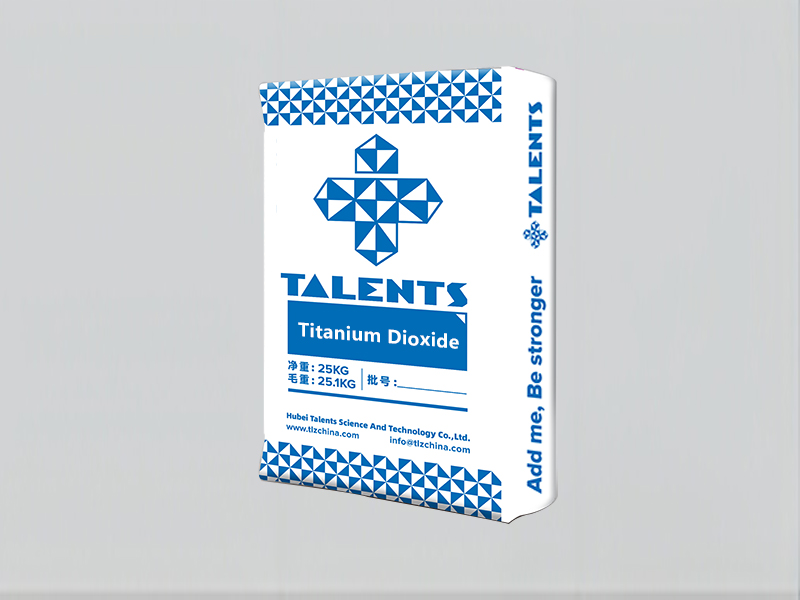
R-2196 is suitable forsolvent-based paint thatrequires high colorperformance (furniturepaint and industrial paint).
Index | R-2196 |
Ti02% (1S0 591-1) | 94% |
CIEL*(GB/T 1864-2012) | 95.5 |
Reducing Power (TCS) | 1950 |
pH Value (lSO 787-9) | 7.0 |
Oil Absorption (lSO 787-5) | 19g/100 g |
Residue on 45μm(lS0 787-18) | 0.01% |
Resistivity (lSO 787-14) | 100Ω-m |
Volatiles at 105℃(ISO 787-14) | 0.3% |
Typical Properties:
Index | R-2196 |
Processing Method | Sulfate |
Crystal Form | Rutile |
Inorganic Surface Treatment | ZrOz, ALO: |
Organic Surface Treatment | Yes |
Classification (lS0 591-1) | R2 |
Color (lS0 787-25) | △E≤0.5 |
Relative Scattering Power (lSO 787-24) | 95%-105% |
Density(lS0 787-10) | 4.0 g/cm³ |
Dispersion in Polyester System(GB/T 21868.3-2008) | ≤27.5 μm |
If you’ve ever used sunscreen, painted your home, or even eaten a piece of candy, chances are you’ve come into contact with titanium dioxide—without even knowing it.
Often referred to as TiO₂, titanium dioxide is a white, powdery substance that plays a surprisingly huge role in our daily lives. From cosmetics to construction, it’s found in thousands of products. But what exactly is titanium dioxide, and why is it so widely used?
Let’s take a deep dive into this remarkable compound.
What Is Titanium Dioxide?
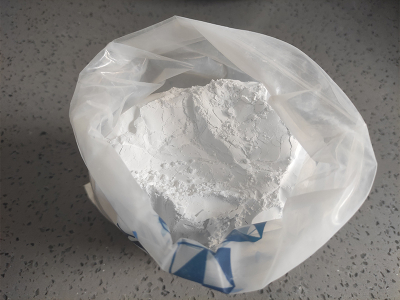
Titanium dioxide is a naturally occurring oxide of titanium, derived primarily from minerals such as ilmenite, rutile, and anatase. It is chemically stable, non-reactive, and incredibly effective at scattering visible light, which gives it its vivid white pigmentation.
Its official chemical formula is TiO₂, and it’s been used for more than a century across industries that demand brightness, opacity, and durability.
Top 6 Uses of Titanium Dioxide
Paints & Coatings
Titanium dioxide is the most widely used white pigment in paints due to its high refractive index, which makes colors appear brighter and more vibrant.
Cosmetics & Sunscreens
Thanks to its UV-blocking properties, titanium dioxide is a core ingredient in many mineral sunscreens, protecting skin without irritating it.
Plastics & Polymers
It improves the durability and UV resistance of plastics used in outdoor furniture, packaging, and car parts.
Food Coloring (E171)
Titanium dioxide is used to whiten and brighten food items like candies, chewing gum, and icing.
Pharmaceuticals
Found in tablet coatings and capsules, titanium dioxide improves appearance and protects ingredients from light degradation.
Paper Industry
Used to enhance opacity and print quality, it helps manufacturers create brighter, crisper sheets.
Why Is Titanium Dioxide So Popular?
✅ High Opacity: It hides what's beneath with minimal application.
✅ UV Protection: Shields products and skin from harmful UV rays.
✅ Chemical Stability: Doesn’t react with most substances.
✅ Non-Toxic in Approved Applications: Safe for use in regulated quantities.
✅ Versatile: Performs well in powder, liquid, or emulsion form.
Titanium Dioxide in Everyday Life: Did You Know?
💬 @EcoBeautyLena
“I had no idea my mineral sunscreen was powered by titanium dioxide. Love that it's gentle on my skin and reef-safe!”
💬 @DIYHomeGuy77
“I’ve painted five rooms this year, and every can of white paint listed titanium dioxide as the pigment. It really makes a difference in brightness!”
💬 @ChefCandyCrush
“We use titanium dioxide in our confectionery factory to get that perfect glossy finish on our mints and gumdrops.”
Environmental & Health Considerations
Titanium dioxide is generally regarded as safe and inert when used in products like sunscreen or paints. However, recent debates focus on:
Inhalation risks for workers handling titanium dioxide dust.
Use in food products, with the European Union banning TiO₂ as a food additive in 2022, while other regions like the US and Japan still permit it under strict regulations.
Always follow local guidelines and regulations when using or consuming products containing titanium dioxide.
Choosing the Right Grade of Titanium Dioxide
Depending on your application, you’ll need different types of titanium dioxide:
Rutile Grade: Ideal for outdoor use, paints, and coatings due to higher UV stability.
Anatase Grade: Preferred in indoor paints and plastics for its lower abrasiveness.
Food & Pharma Grade: Ultra-pure TiO₂ used in regulated quantities.
Make sure you’re sourcing from a trusted supplier with certifications (ISO, REACH, FDA-compliant) to ensure quality and safety.
Final Thoughts
Whether you’re formulating cosmetics, producing construction materials, or designing packaging, titanium dioxide is a foundational material you can count on for brightness, protection, and stability.
Its wide range of applications, strong safety profile (when used properly), and unmatched performance make it a cornerstone compound in modern manufacturing.