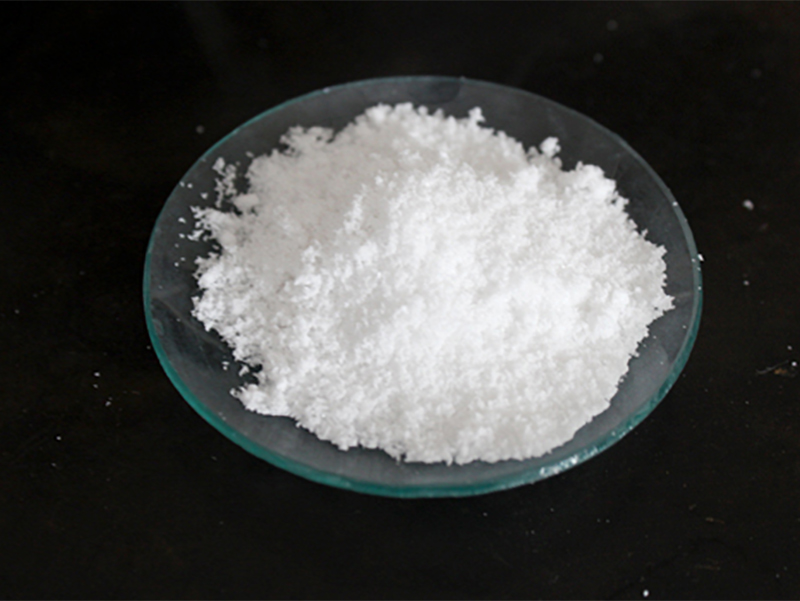
barium chlordie
Barium Chloride Introduction:
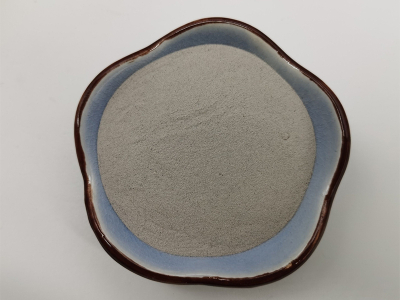
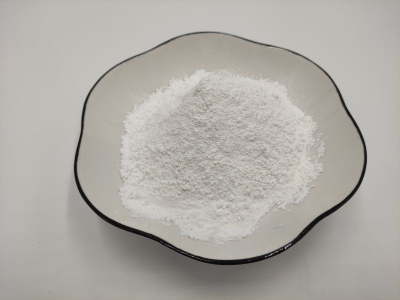
Barium chloride is an inorganic compound with the chemical formula BaCl2. It is a white crystalline powder that is soluble in water and has hygroscopic properties. Barium chloride is commonly used in various industries and has a wide range of applications.
In industrial settings, barium chloride is used as a corrosion inhibitor for metal surface treatment. It helps remove surface oxides and impurities, thereby improving the adhesion and corrosion resistance of metal materials. It is also extensively used in the glass and ceramic industries as a clarifying agent and a coloring agent. Additionally, barium chloride is employed in the preparation of other barium compounds, such as barium sulfate and barium oxide, as well as in the production of catalysts containing barium elements.
It is important to exercise caution when using barium chloride as it is a toxic substance. Proper safety measures, such as wearing protective gloves and eyewear, should be taken to avoid direct contact with the skin and eyes when handling barium chloride. Furthermore, storage and handling of barium chloride should be done in accordance with relevant safety guidelines and regulations.
Barium Chloride (BaCl₂): Properties, Applications, and Safety Insights
Overview
Barium Chloride (chemical formula: BaCl₂) is an inorganic compound composed of barium and chlorine. It is one of the most common water-soluble salts of barium, typically encountered as a white, crystalline solid or in its dihydrate form (BaCl₂·2H₂O). Known for its high solubility in water and chemical reactivity, Barium Chloride plays a critical role in various industrial and laboratory applications.
Chemical and Physical Properties
| Property | Value |
|---|---|
| Molecular Formula | BaCl₂ |
| Molar Mass | 208.23 g/mol (anhydrous) |
| Appearance | White crystalline solid |
| Solubility | Highly soluble in water |
| Melting Point | 962 °C (1764 °F) |
| Boiling Point | 1560 °C (2840 °F) |
| Density | 3.856 g/cm³ (anhydrous) |
| pH (in water) | Slightly acidic |
Production
Barium Chloride is typically produced through the reaction of barium carbonate (BaCO₃) or barium sulfide (BaS) with hydrochloric acid (HCl):
The resulting product is then purified and crystallized to obtain either the anhydrous or dihydrate form.
Applications
🔬 1. Laboratory Reagent
Used in analytical chemistry for sulfate ion detection, as it reacts with sulfates to form barium sulfate (BaSO₄), a white, insoluble precipitate.
Employed in qualitative analysis and chemical synthesis.
🏭 2. Industrial Uses
Metallurgy: Used in the purification of brine solutions in caustic chlorine plants.
Heat treatment salts: Part of salt mixtures for case hardening of steel.
Dye manufacturing: Acts as a mordant in textile dyeing processes.
Pigments & Paints: Occasionally used in producing pigments like lithopone.
🎆 3. Pyrotechnics
Barium chloride imparts a brilliant green color to flames and is commonly used in fireworks and signal flares.
Safety and Handling
⚠️ Toxicity Warning:
Barium Chloride is highly toxic if ingested or inhaled. Unlike barium sulfate, which is insoluble and medically safe in imaging, barium chloride's solubility makes it dangerous to human health.
Precautions:
Handle in well-ventilated areas or under a fume hood.
Wear protective gloves, goggles, and clothing.
Store away from acids, oxidizing agents, and moisture.
In case of exposure, seek immediate medical attention.
First Aid Measures:
Inhalation: Move to fresh air. Seek medical help if symptoms persist.
Skin Contact: Wash with plenty of soap and water.
Ingestion: Do not induce vomiting. Seek emergency medical assistance.
Environmental Impact
Due to its high toxicity, especially to aquatic life, proper disposal protocols must be followed. Avoid discharge into waterways. Dispose of in accordance with local, national, and international regulations.
Parameters of Barium Chloride:
Chemical Name: Barium Chloride
Chemical Formula: BaCl2
Molecular Weight: 208.23 g/mol
Appearance: White crystalline powder
Density: 3.856 g/cm³
Melting Point: 962 °C
Boiling Point: 1560 °C
Solubility: Soluble in water
CAS Number: 10361-37-2
Applications: Metal surface treatment, glass and ceramic industries, catalyst preparation, etc.